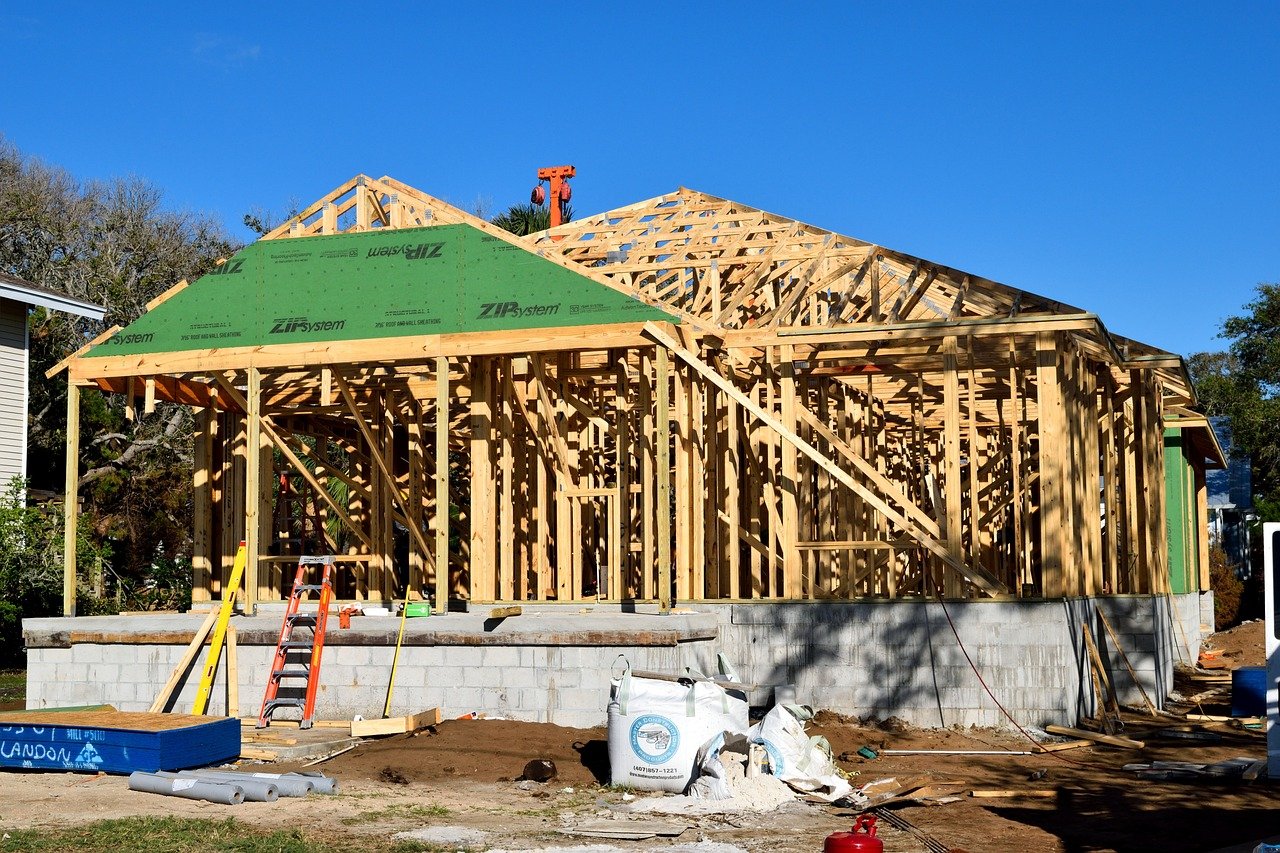
The decision to dig trenches is one of the first and most important steps in many land development and construction projects. From installing underground utilities to improving drainage and preparing building foundations, properly excavated trenches create the infrastructure needed for safe and efficient project completion.
While trench excavation may appear simple, every successful project depends on careful planning, accurate execution, and ongoing maintenance. When professionals dig trenches using proven techniques, they reduce construction delays, improve site safety, and create underground systems that remain reliable for years. Understanding the complete trenching process helps property owners, contractors, and project managers achieve better long-term results.
Why Trenching Is Essential
Trenching supports a wide variety of projects by creating organized underground pathways for critical infrastructure.
Utility Installation
One of the most common reasons to dig trench is to install underground water lines, drainage pipes, communication cables, and electrical conduits. Underground placement protects these systems from surface activity while keeping the landscape organized.
Drainage Improvement
Poor drainage can weaken soil, damage foundations, and create standing water. Properly designed trenches guide excess water away from structures and landscaped areas, reducing erosion and improving site stability.
Construction Preparation
Before foundations, retaining walls, or other structural elements can be built, excavation crews often dig trenches to establish the necessary groundwork for construction.
Planning a Successful Trenching Project
Good planning minimizes unexpected challenges and improves overall project efficiency.
Evaluate the Site
Every location presents unique conditions. Soil type, natural slopes, vegetation, and existing drainage patterns all influence trench design and excavation methods.
Identify Underground Utilities
Before workers dig trenches, underground utility locations should be confirmed. Proper identification helps prevent accidental damage and ensures safer excavation.
Develop a Trench Layout
Planning trench routes before excavation reduces unnecessary digging while supporting efficient installation of underground systems.
Best Practices for Digging Trenches
Select the Appropriate Equipment
Project size determines the equipment required. Small residential work may only require hand tools, while larger projects often use mechanical excavation equipment for greater productivity.
Maintain Proper Dimensions
Consistent trench width and depth improve structural performance and make utility installation easier. Accurate measurements also simplify future maintenance.
Manage Excavated Soil
Spoil piles should be placed away from trench edges to reduce pressure on trench walls and improve worker safety.
Common Challenges During Trenching
Difficult Ground Conditions
Rock, clay, saturated soil, and loose sand each require different excavation techniques. Understanding soil characteristics before excavation improves efficiency and reduces complications.
Weather Conditions
Rainfall can soften trench walls and increase erosion. Monitoring weather forecasts helps schedule excavation during safer working conditions.
Unexpected Obstructions
Tree roots, buried debris, and abandoned underground installations may interrupt progress. Thorough site investigations reduce unexpected delays.
Safety Considerations
Whenever teams dig trenches, safety should remain the highest priority throughout the project.
Perform Regular Inspections
Frequent inspections identify unstable soil, water accumulation, and other hazards before they become serious problems.
Provide Safe Worker Access
Clearly marked access and exit points improve both safety and productivity throughout excavation activities.
Monitor Changing Conditions
Ground movement, heavy rainfall, and nearby construction can affect trench stability. Continuous monitoring allows crews to respond quickly when conditions change.
Environmental Responsibility
Responsible trench excavation extends beyond construction. Projects that dig trenches carefully help minimize unnecessary land disturbance and reduce environmental impacts.
Controlling erosion, protecting natural drainage patterns, preserving vegetation where possible, and restoring disturbed ground after construction contribute to healthier landscapes and more sustainable development practices.
Maintaining Trench Performance
A completed trench should be inspected periodically to ensure long-term effectiveness. Sediment buildup, vegetation growth, erosion, and drainage blockages can reduce performance over time.
Routine maintenance helps preserve underground infrastructure while preventing expensive repairs in the future.
Conclusion
Projects that dig trenches successfully begin with careful planning and continue with accurate excavation, consistent safety practices, and ongoing maintenance. Whether supporting underground utilities, drainage systems, or construction foundations, properly built trenches provide dependable performance and long-term value.
By evaluating site conditions, selecting appropriate excavation methods, maintaining consistent trench dimensions, and protecting the surrounding environment, professionals can dig trenches that improve project efficiency while creating safe, durable, and sustainable infrastructure for years to come.